The Mill That Built Port Angeles
A Port Angeles icon that shaped our waterfront - and still defines the path to Ediz Hook.
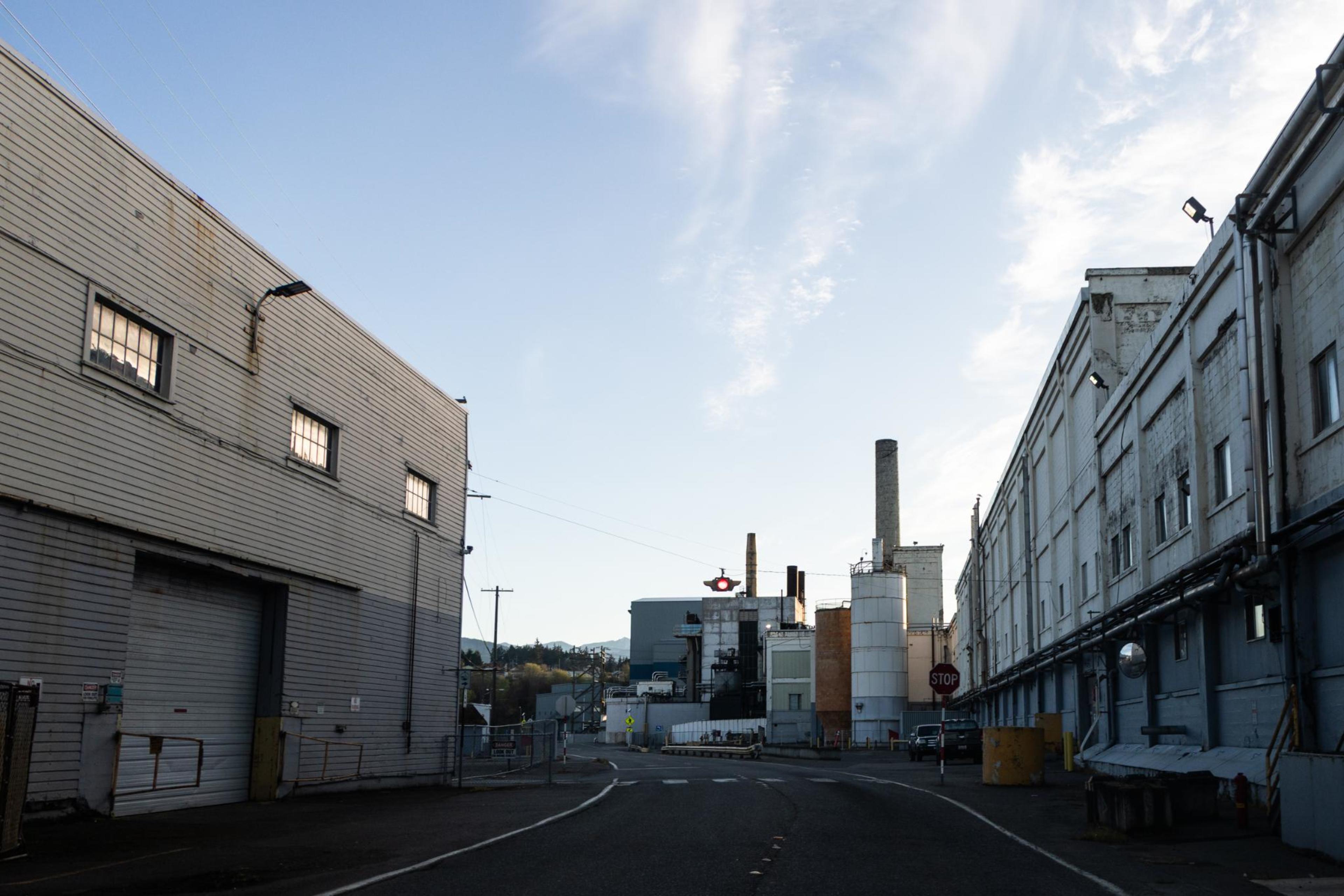
The drive to Ediz Hook passes the same landmark every time. The red blinking light at the mill. Stop. Look. Wait for mill traffic. It's hardwired into anyone who's made this trip more than a few times - Coast Guard families heading to the station, locals seeking the peace of the spit. Even now, with the stacks mostly quiet, that light still blinks its warning.
The McKinley Paper mill sits where it's always sat - between town and the hook, impossible to ignore. Generations of families worked these shifts. The rhythm of the mill marked time for the whole city. Steam rose from the stacks against the Olympics, and the smell of pulp was just part of living here.
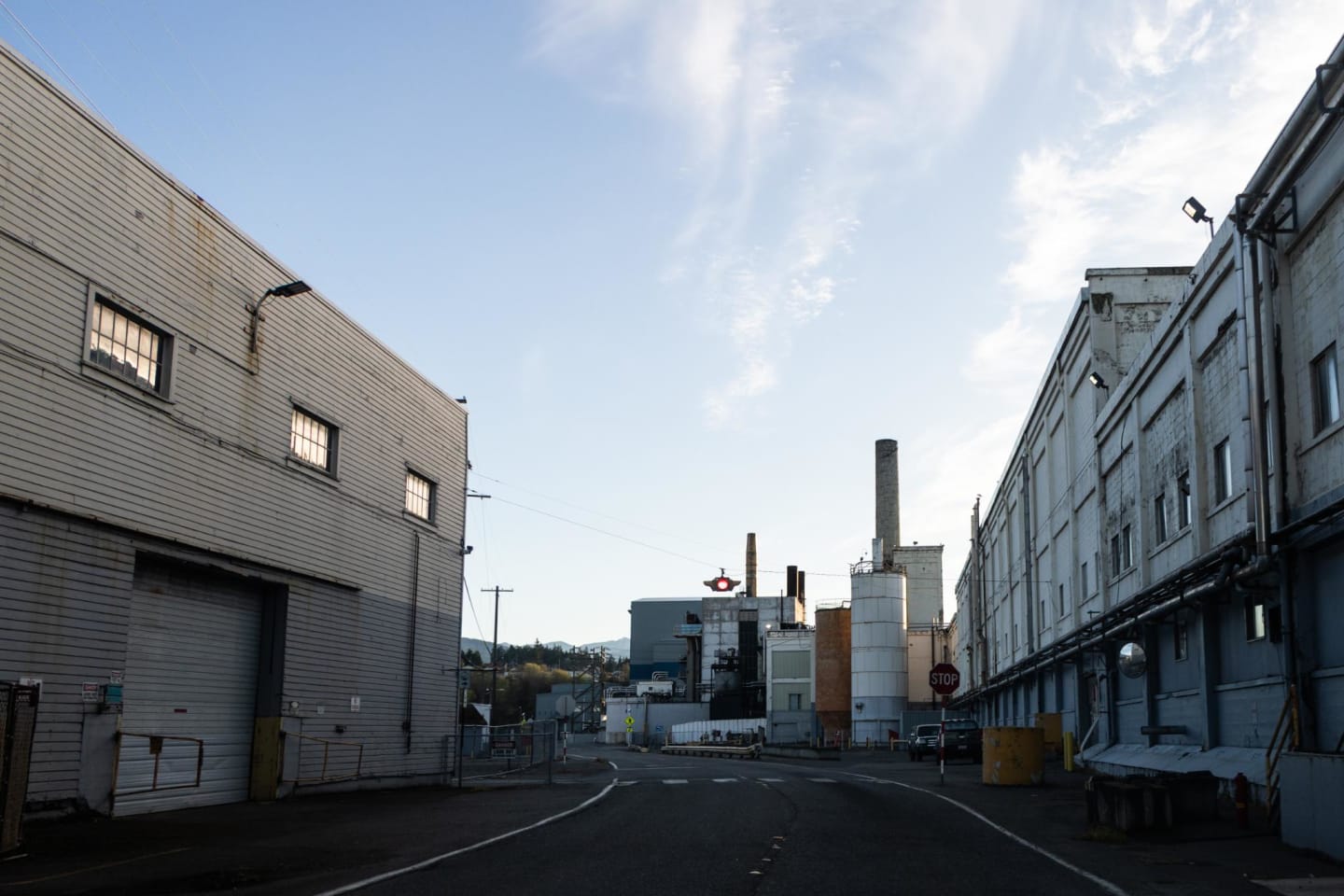
These days, the buildings feel different. Quieter. The massive infrastructure remains - conveyor belts, smokestacks, concrete towers - but the daily rhythm has changed. It's a strange kind of monument now. Part working facility, part reminder of what was.
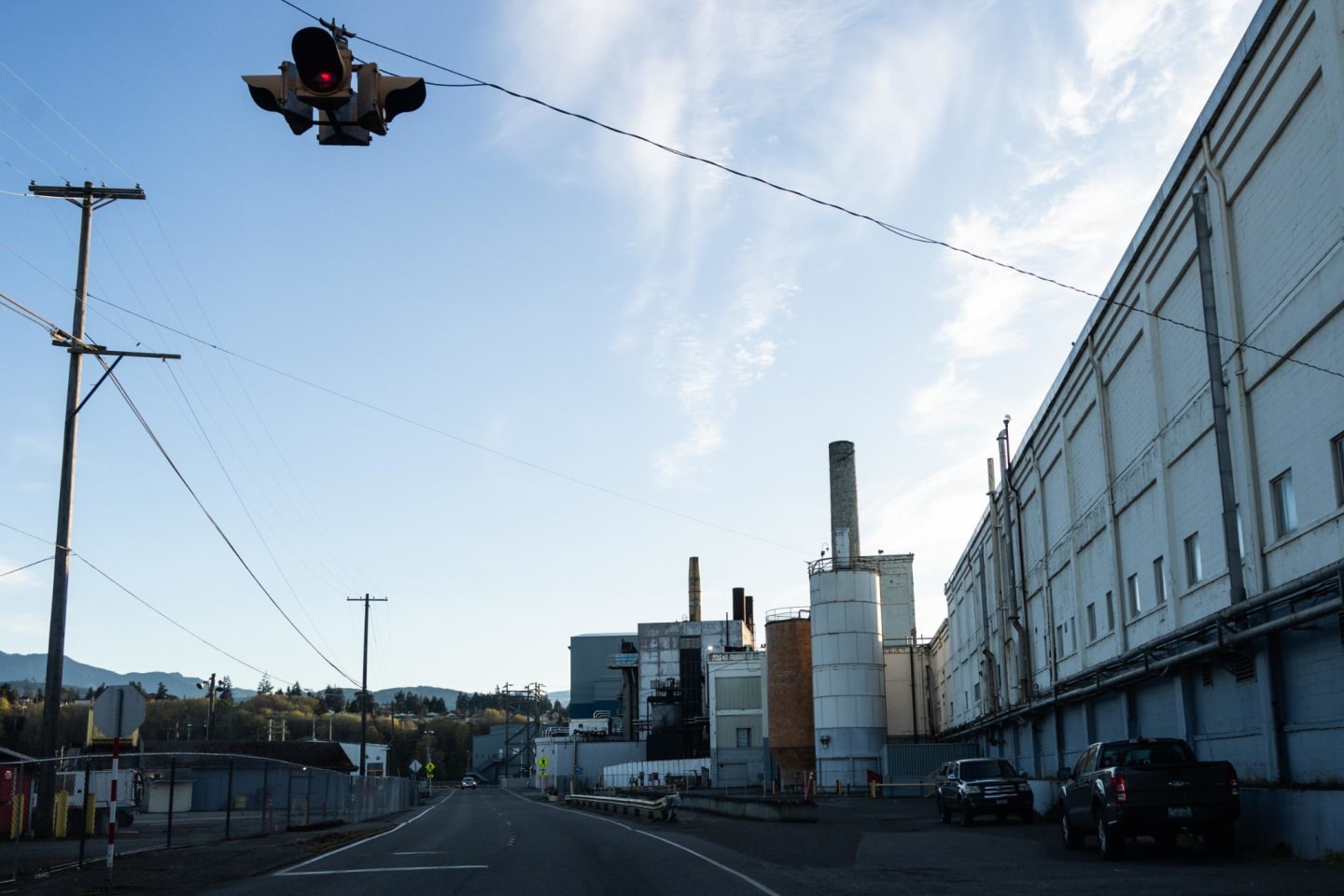
I've photographed this place for years, always from the outside. The scale draws you in. The way the buildings sit against the water, the Olympics rising behind them. There's something honest about industrial architecture. No pretense. Just function made visible.
From the water, you see how the mill shaped our harbor. The long docks. The log pools where timber waited to become paper. Now those same pools host a different kind of resident - Canada geese that have claimed this stretch of waterfront as home.
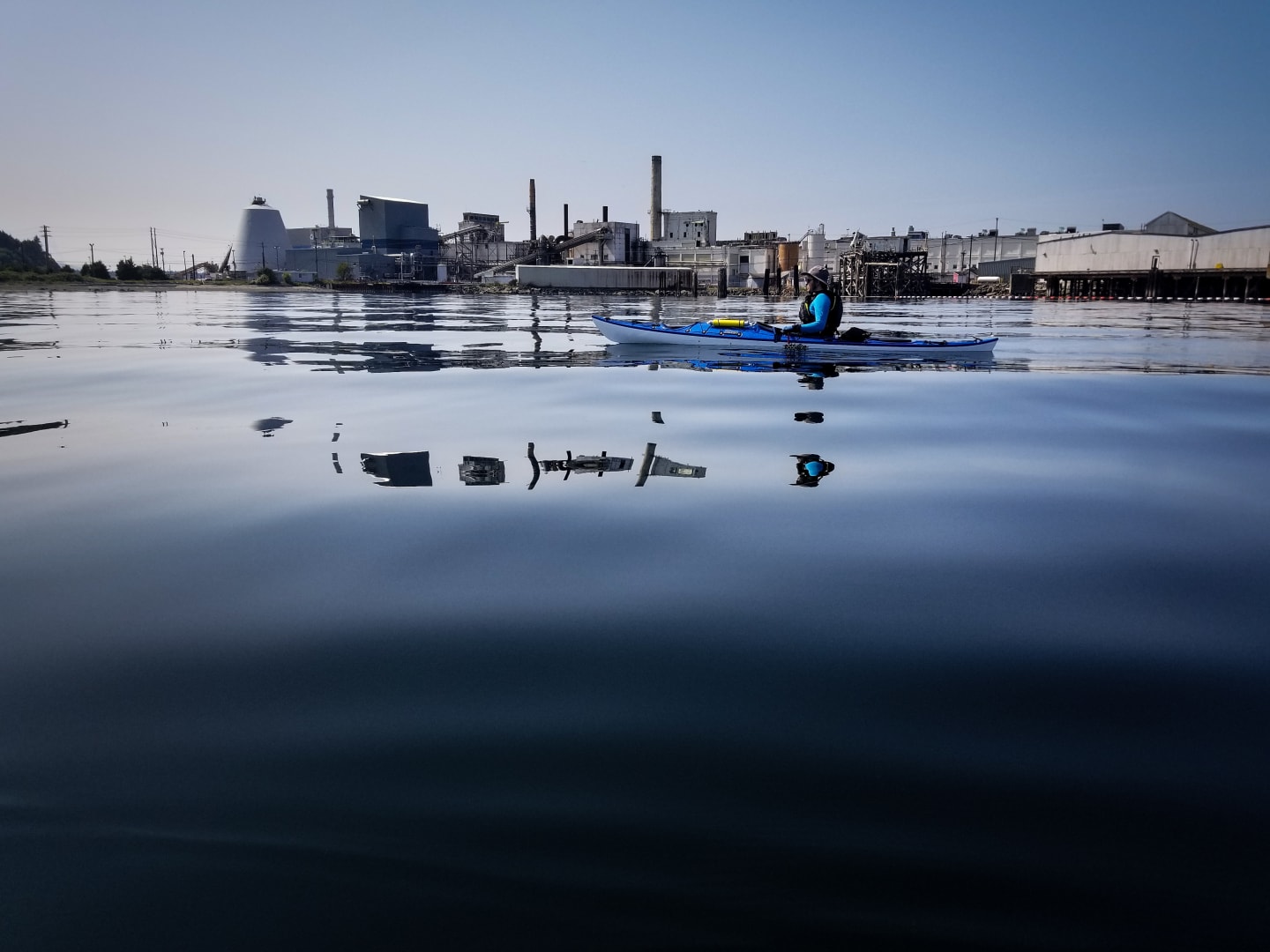
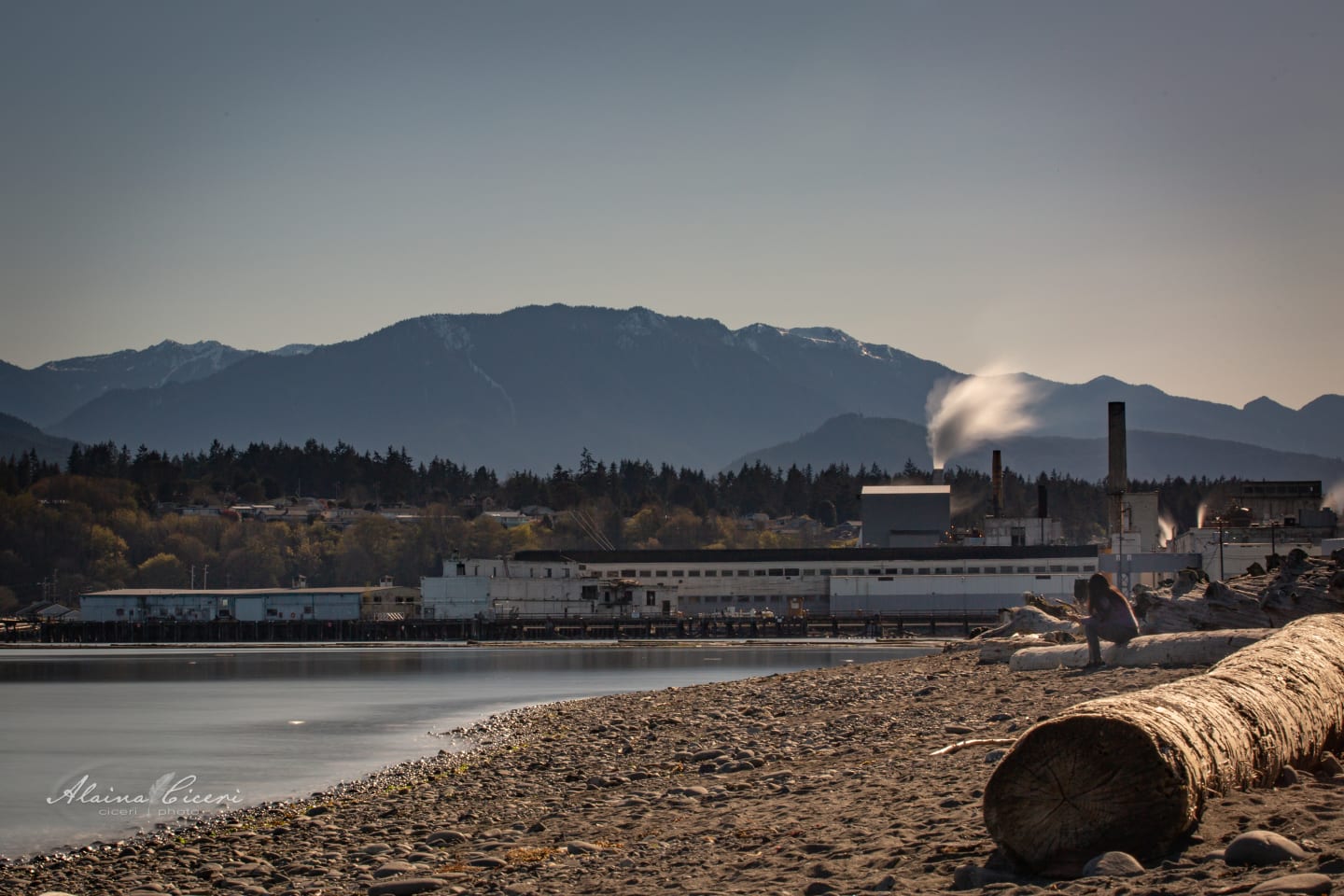
The geography tells the story. To get to Ediz Hook - our spit of land reaching into the Strait - you drive through the mill's shadow. Past the buildings, past the equipment, past the history. Then suddenly you're free of it, and the hook opens up with its own kind of beauty.
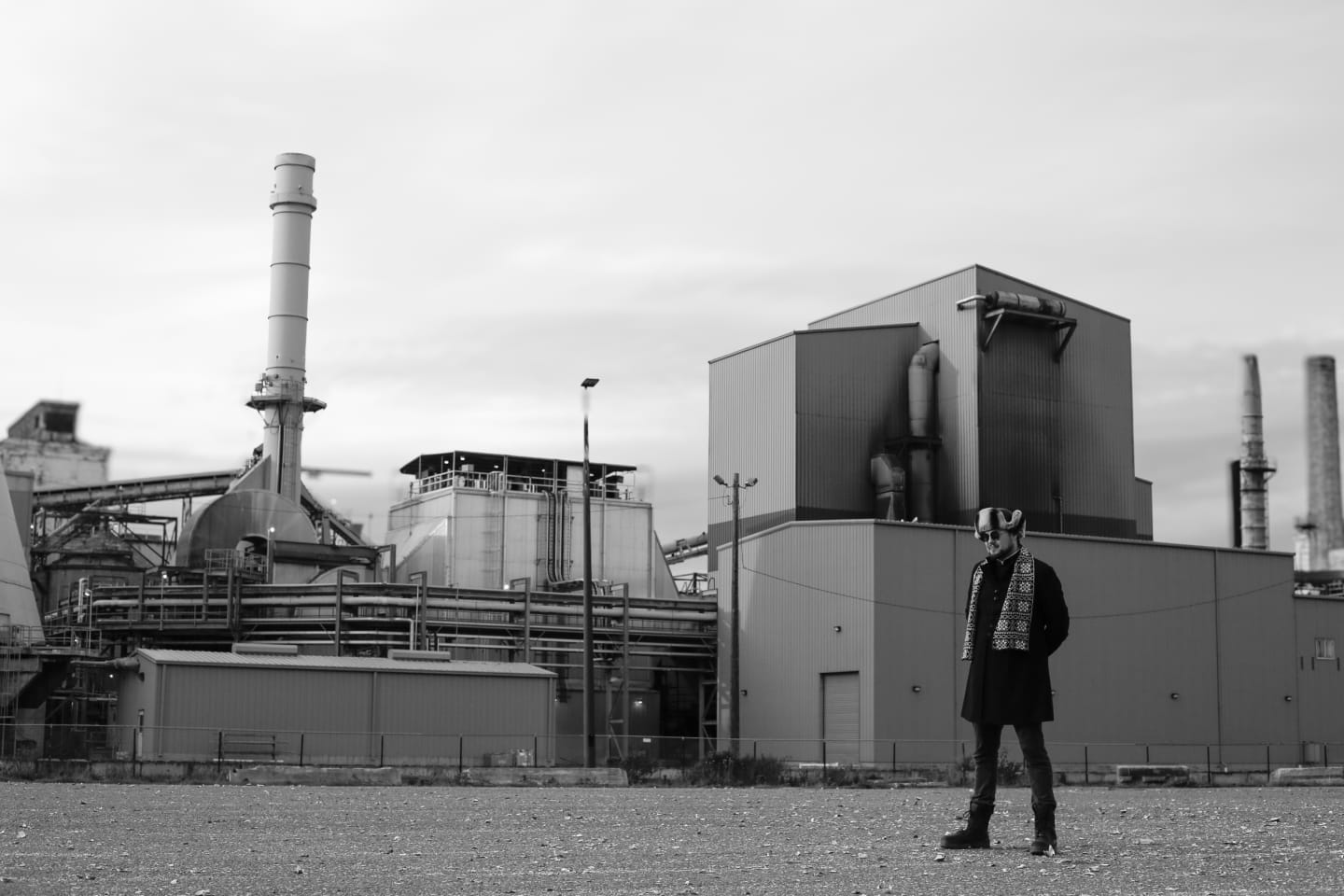
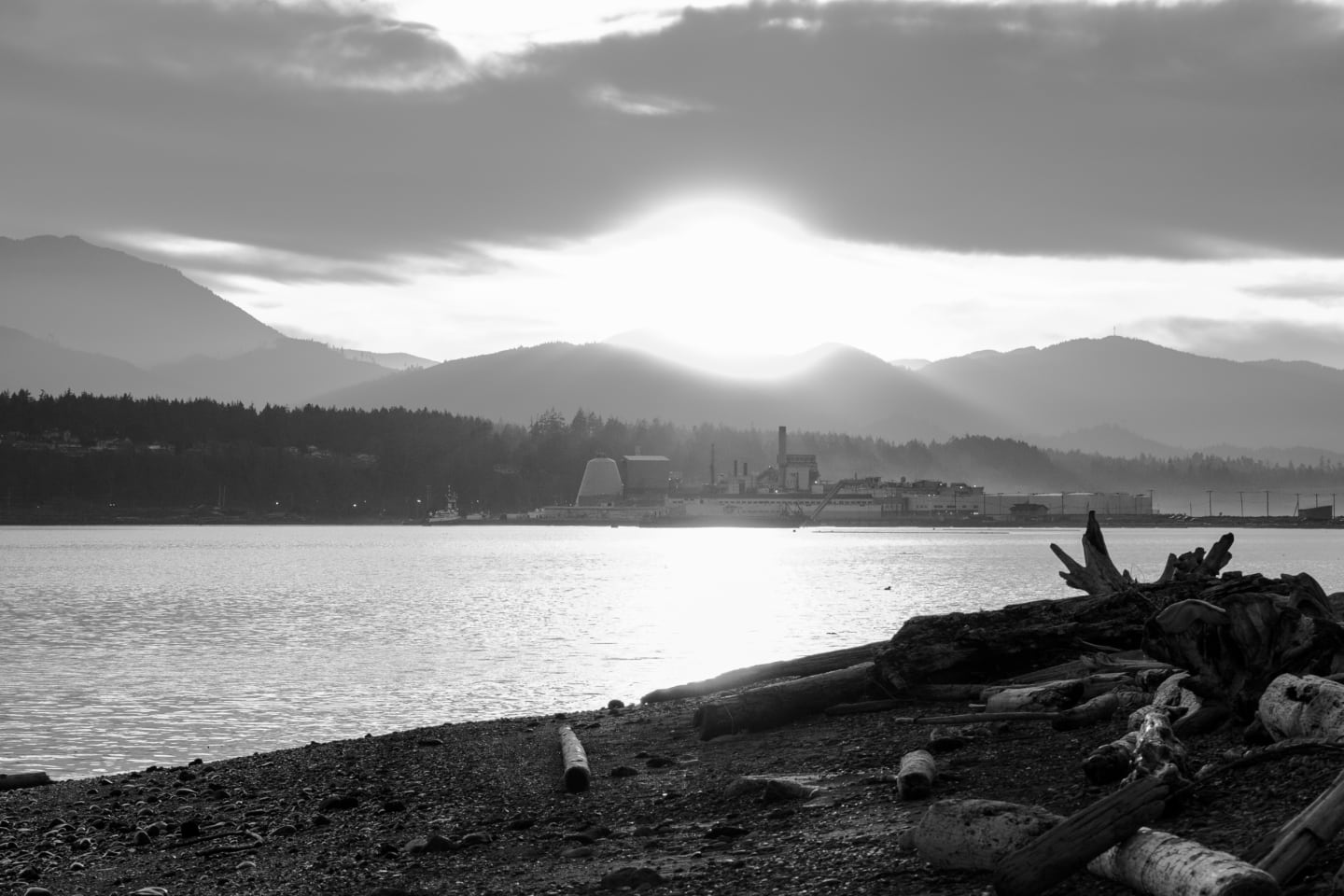
The mill is part of Port Angeles whether we're sentimental about it or not. It shaped our shoreline. Employed our neighbors. Became the landmark we all navigate by on the road to our best views. The infrastructure remains because it was built to last - concrete and steel don't disappear just because the economics change.

I'd love to photograph inside someday. See the bones of the operation. Maybe the Olympic Photo Club could arrange something - document this piece of our industrial heritage while we still can. These spaces tell stories about how we've lived and worked on the Peninsula.
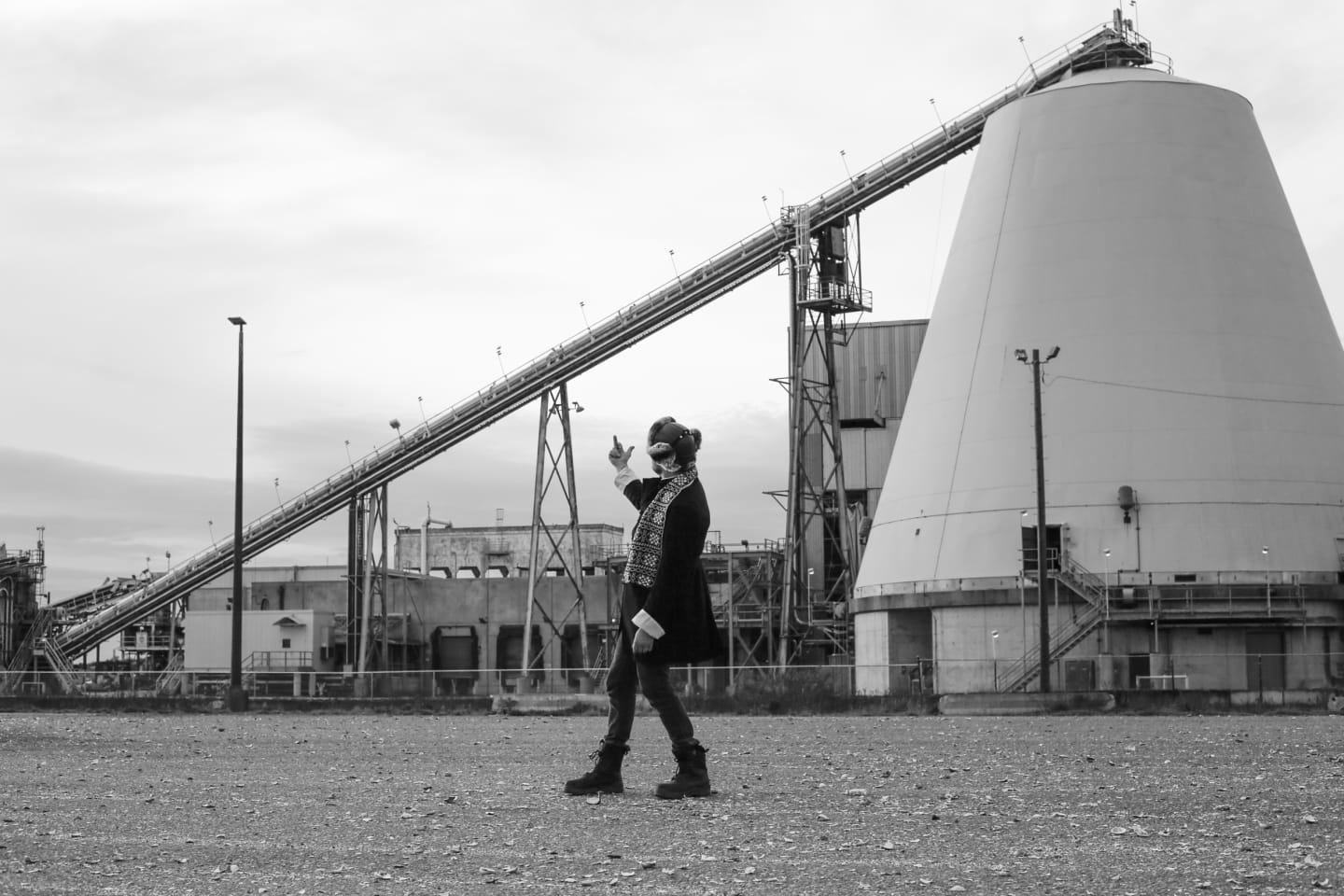
For now, the mill sits between our past and our future. The geese don't seem to mind the transition. They've made the log holding areas into their own neighborhood, adapting like the rest of us.
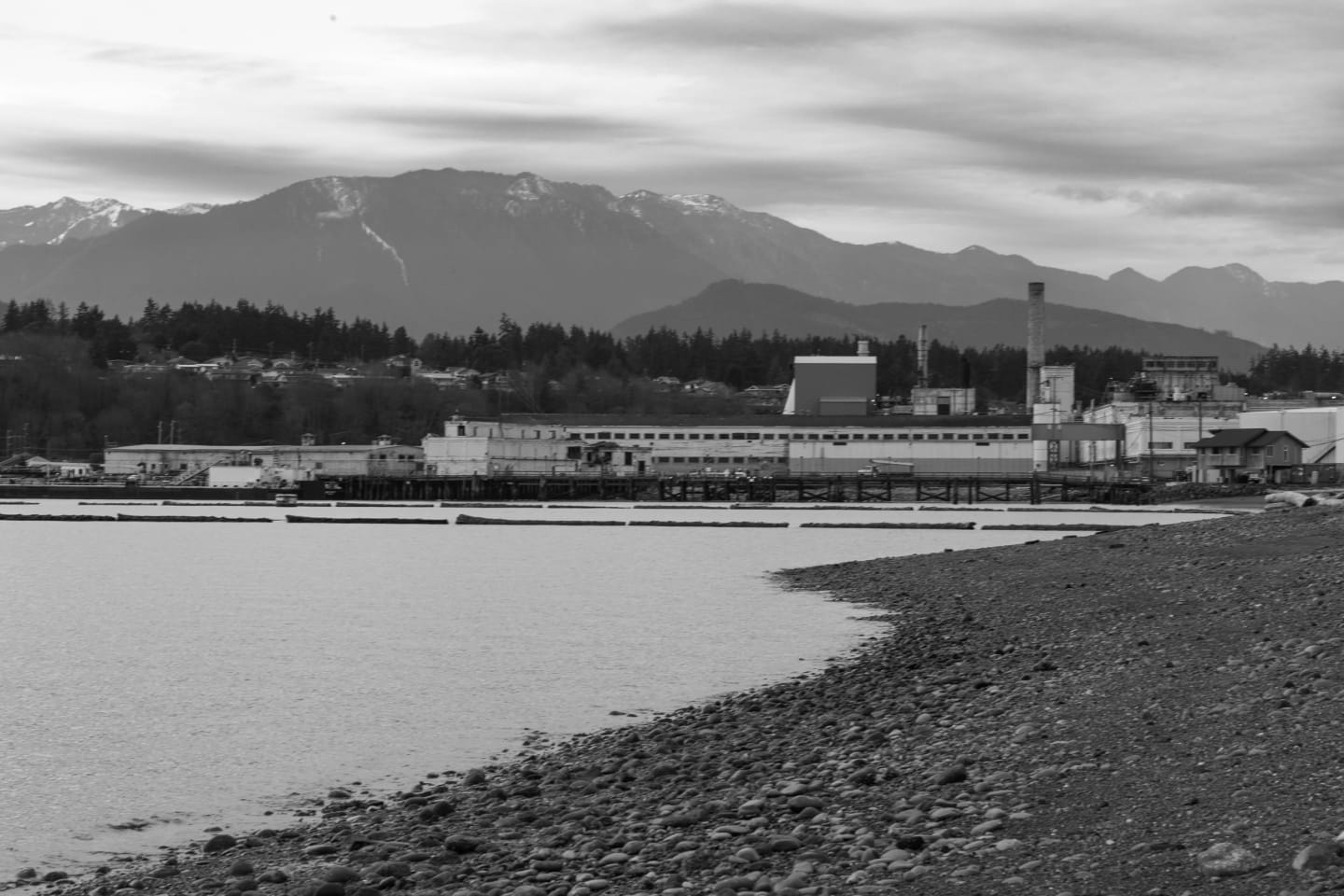

The Peninsula's economy shifts with the times, but our industrial shoreline endures as something essential. These concrete towers and steel frameworks root us to the work of building, processing, creating. The mill's stacks may stand quieter against the Olympics now, but they're woven into the fabric of this place - part of how Port Angeles understands itself.
The mill stands as both monument and neighbor - a reminder that the Peninsula's character comes from the work we've done here, the infrastructure we've built, and how we adapt when industries change. These concrete towers and steel frameworks tell our story as much as the mountains and water do.
Have a project in mind?
Based in Port Angeles, Washington · Available throughout the Olympic Peninsula