Roads and Horizons
A Port Angeles photographer takes a solo road trip with a camera - on landscape photography, driving without a plan, and finding images you didn't know you were looking for.
I left without a real plan, which is a better way to take a trip than I used to believe.
The loose idea: drive south and east, see what the light looked like somewhere other than the Olympic Peninsula, and come back with whatever photographs wanted to happen. I had a rough route in my head and no specific destinations. I'd packed more lenses than I'd need and fewer snacks than I should have.
That's a fine way to travel with a camera.
On Not Having an Itinerary
Landscape photographers - the kind who plan - talk about golden hour like it's a fixed appointment. You know when it is, you know where you want to be, you're there early. That works. I've done it.
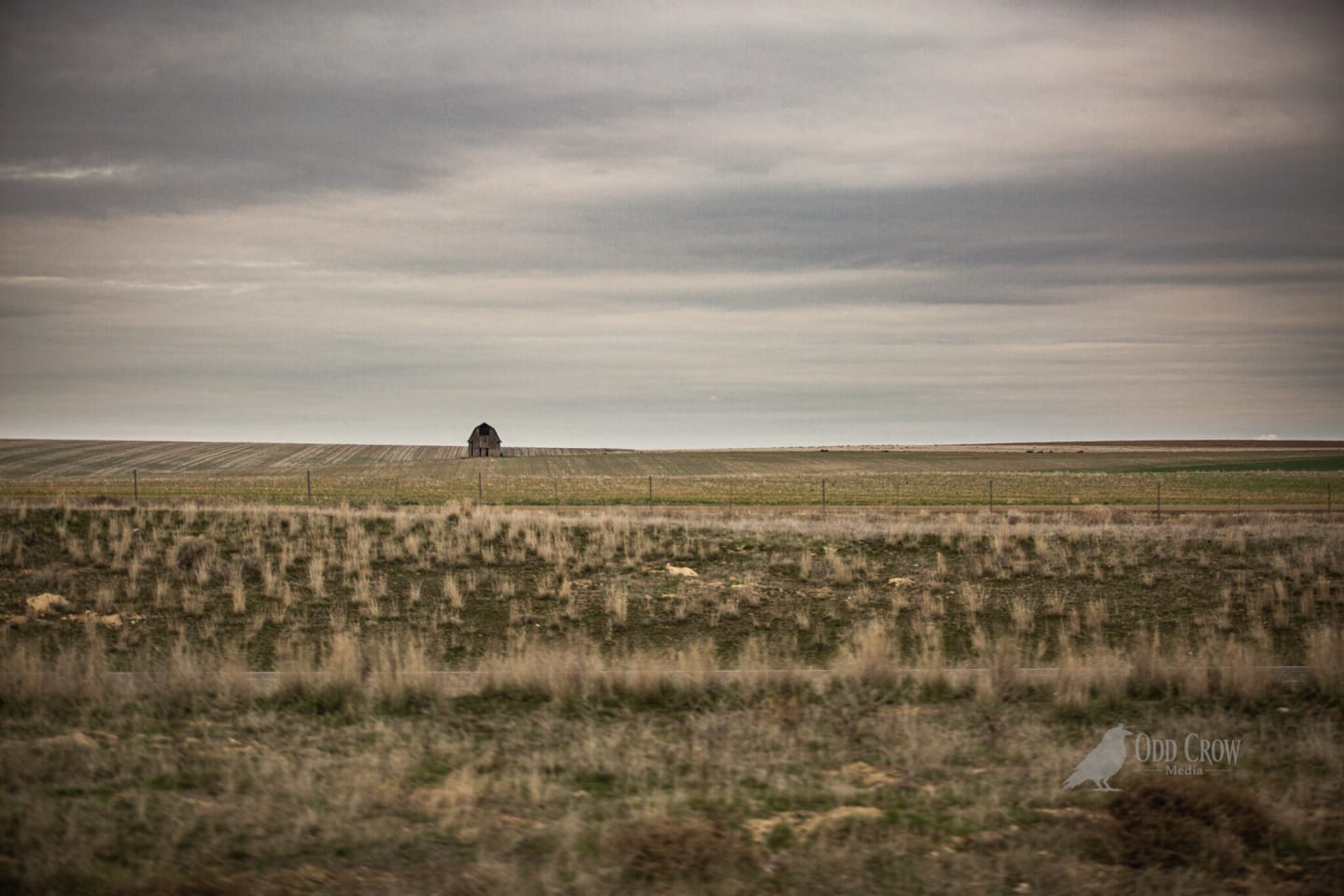
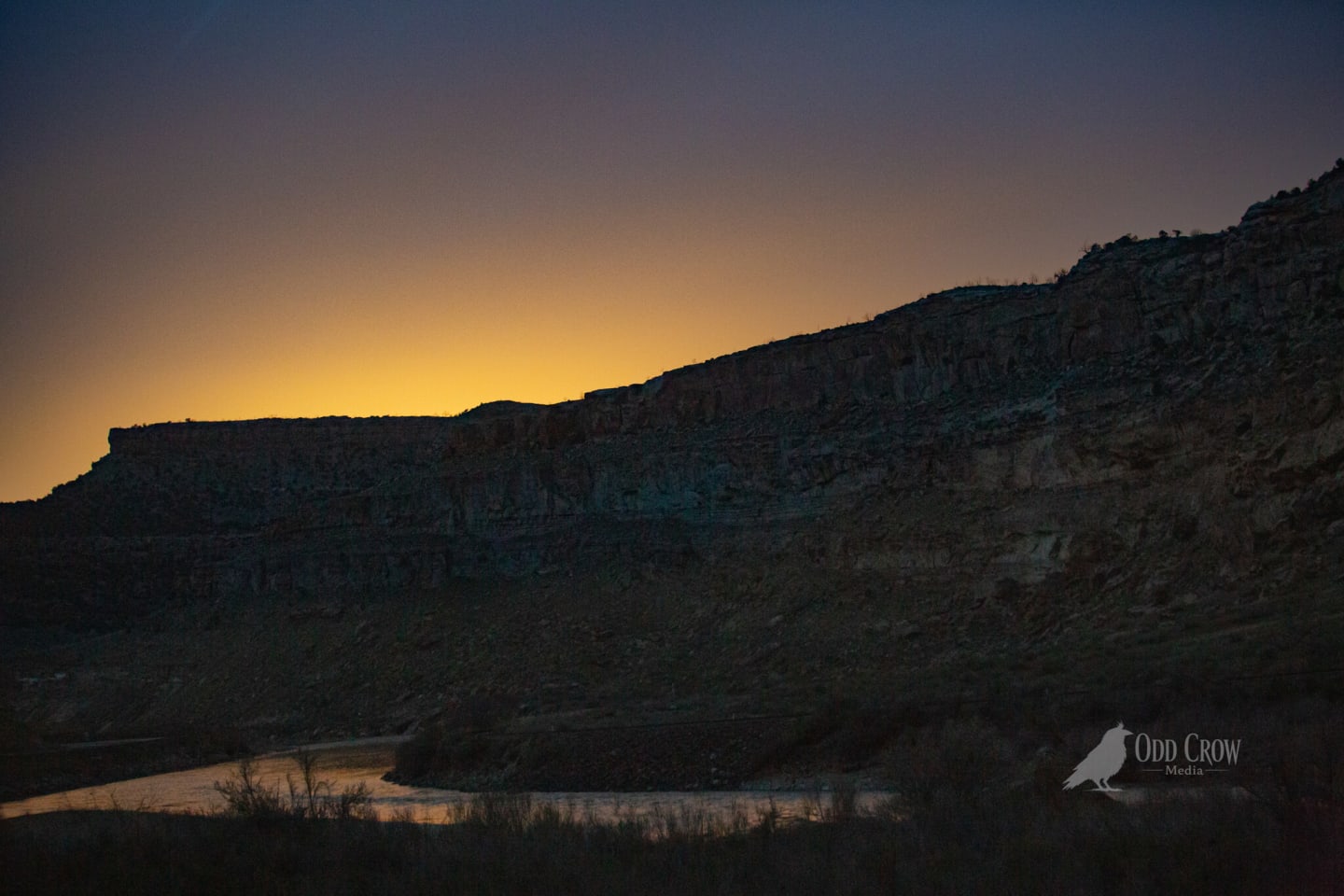
But there's something to be said for being on an empty two-lane road at a time you didn't plan for, watching the light do something unexpected to a hill you didn't know was there. That only happens if you're moving without a schedule.
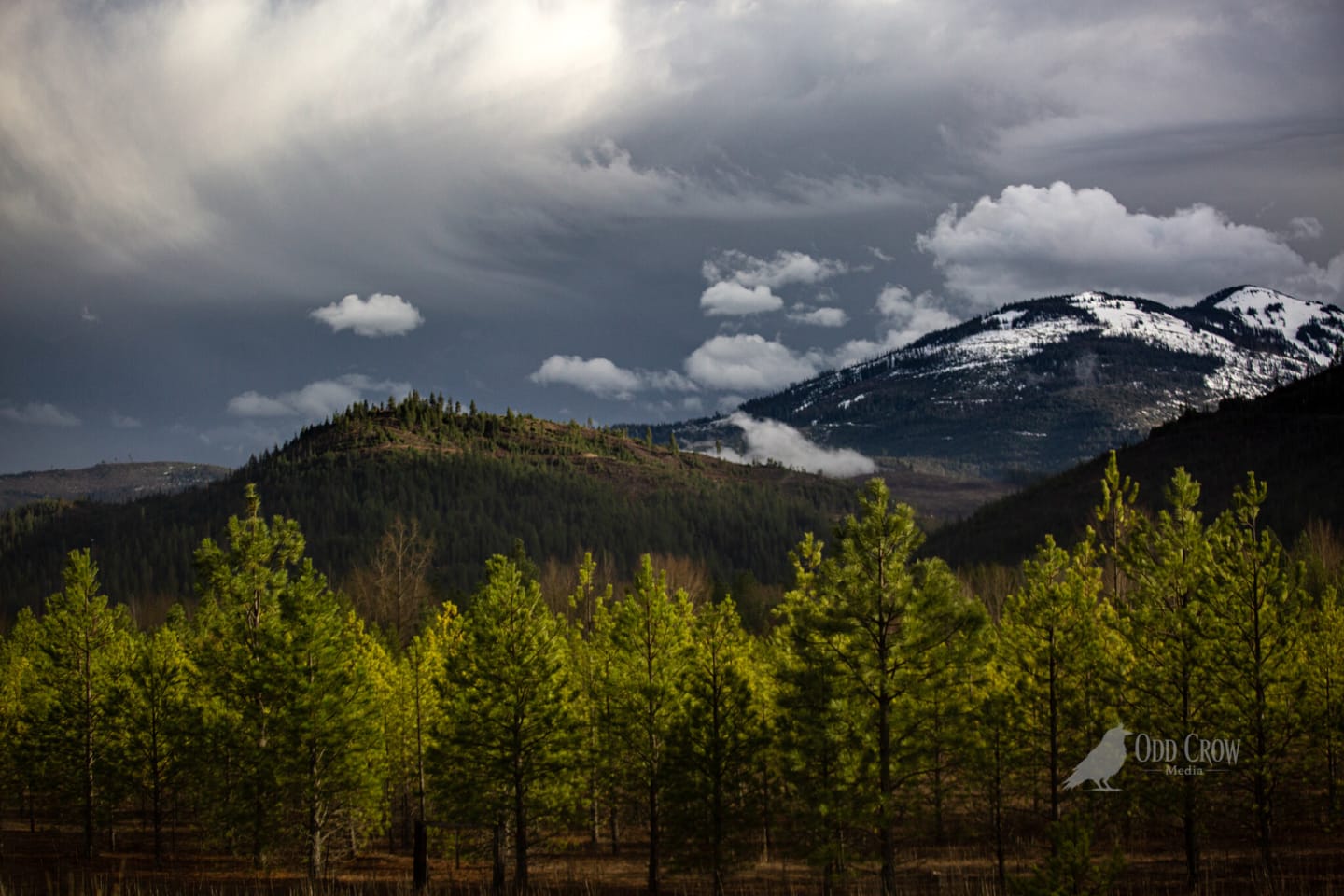
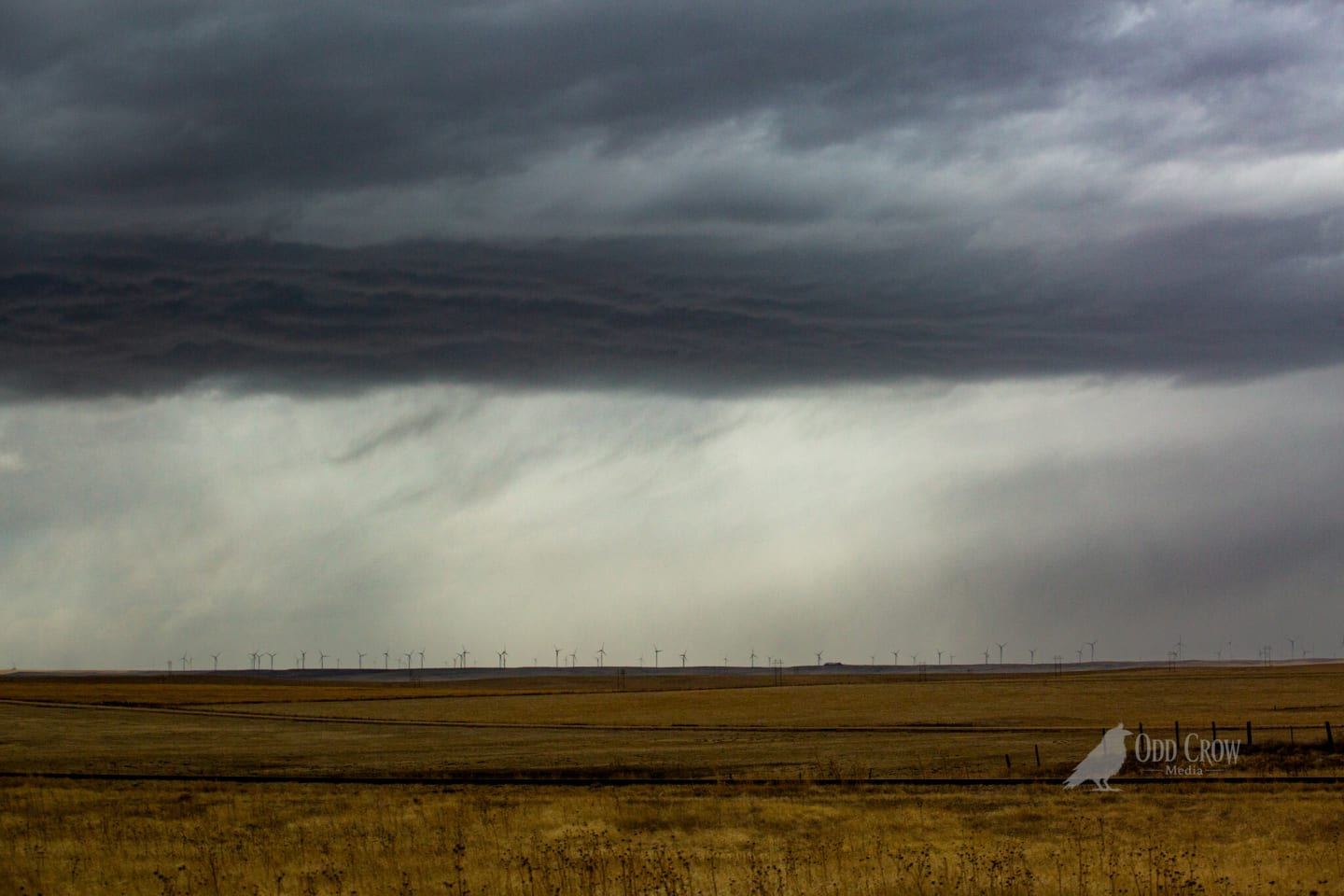
Most of the photographs from this trip came from stops I didn't intend to make. A pull-off that looked interesting. A view that opened up around a curve. A twenty-minute window where clouds were doing something complicated above a ridge and I pulled over and got out and stood there and hoped my meter was reading it right.
What Changes When You Cross a State Line
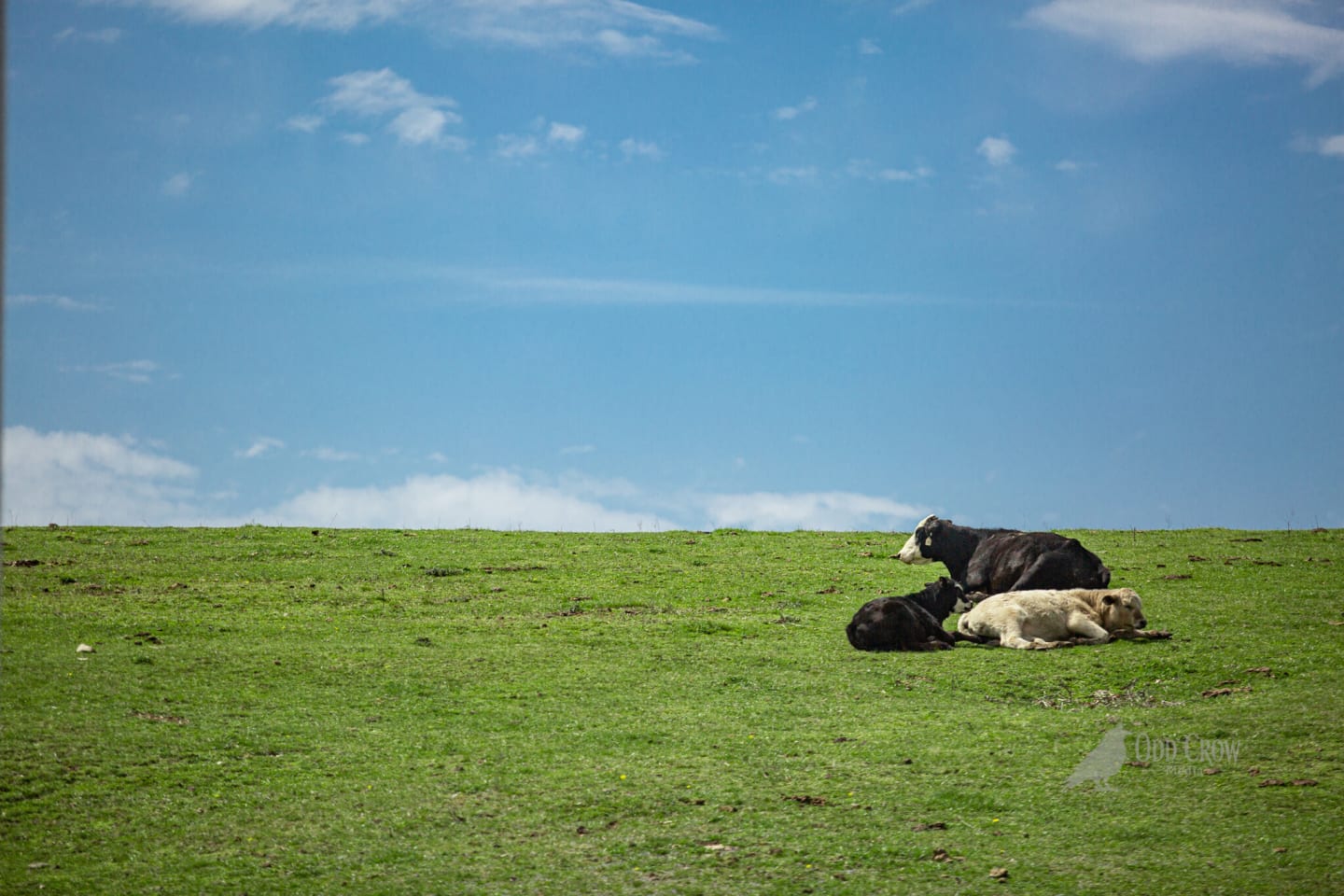
I've noticed, over the years, that landscape photography tends to reveal the character of a place through accumulation - not in the single dramatic image, but in the collected texture of an area. The light quality, the color of the soil, the way the vegetation responds to the climate. You see it most clearly when you've been moving and crossing through different zones.
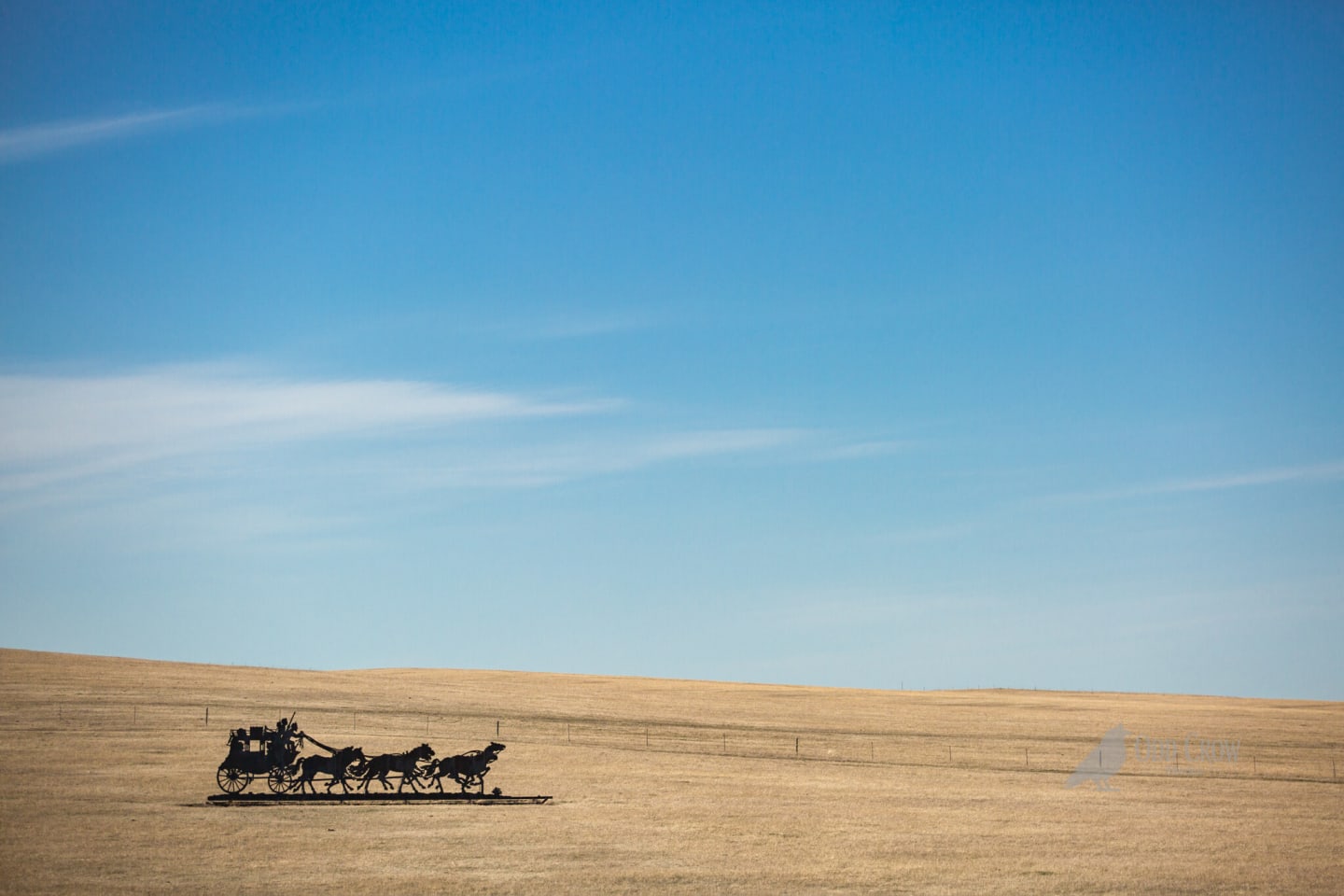
The Pacific Northwest - and the Olympic Peninsula specifically - has a particular visual character that I've spent years learning: the way moisture affects color, the density of the green, the softness of light under cloud cover. I didn't realize how thoroughly I'd absorbed it until I drove far enough east that the landscape looked completely different.
Both are beautiful. The difference is instructive.
Shooting Alone
I do most of my commercial and portrait work with clients, which means a degree of collaboration is always built in. These landscape trips are different. You're completely alone with what you're looking at, and the feedback loop - what's interesting, what's not, whether the frame is right - is entirely internal.
It's quieter. The decisions are smaller and they feel more purely yours. You can stand at a viewpoint for ten minutes and not feel like you're making anyone wait.
I find it restorative in a way that's hard to articulate, which is maybe why I keep doing it.
What Came Home
Eighty-seven photographs, eventually edited down from the ones that worked. Some of them are in the fine art gallery now - the landscapes and open-sky shots, mostly, the ones where the travel shows in the frame.
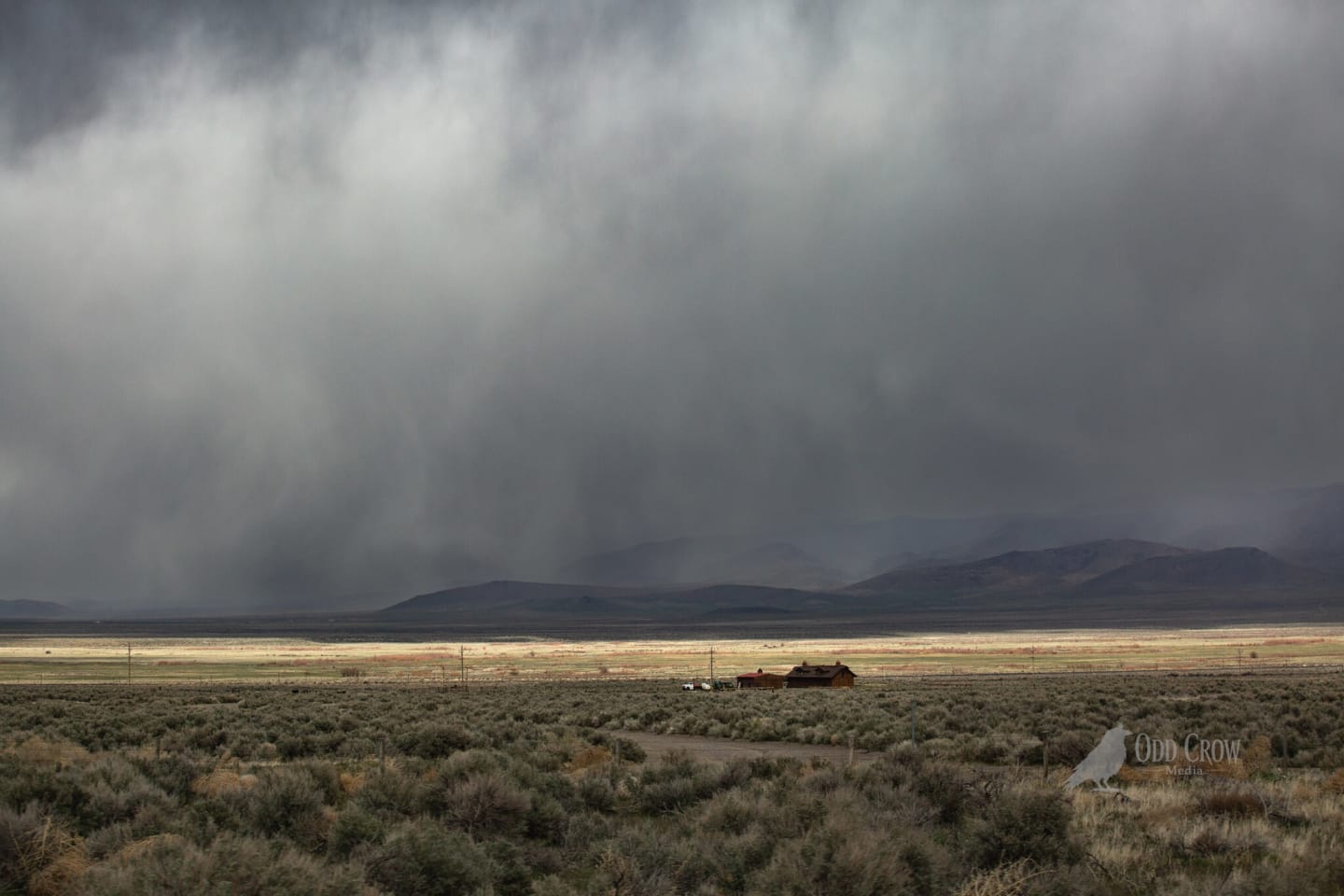
But I also came home with something harder to categorize: a recalibrated sense of attention, maybe. A few days of looking closely at unfamiliar things tends to make the familiar ones more visible when you get back.
Port Angeles looked good when I pulled in. It usually does.

Have a project in mind?
Based in Port Angeles, Washington · Available throughout the Olympic Peninsula